10 Ways to Save Money on a New Roof Without Cutting Corners
Cut cost through scope, timing and material choices — not by stripping felt, battens or scaffolding from the specification.
In this guide
- 1. Keep the scope like-for-like
- 2. Choose the covering for laying speed, not just material price
- 3. Bundle everything while the scaffold is up
- 4. Share scaffolding with neighbours
- 5. Time the booking
- 6. Standard finishes only
- 7. Get like-for-like quotes — and actually compare them
- 8. Agree a repair day rate in advance
- 9. Use a CPS roofer to skip the building notice fee
- 10. Pay by stage, never large deposits
- Never economise on
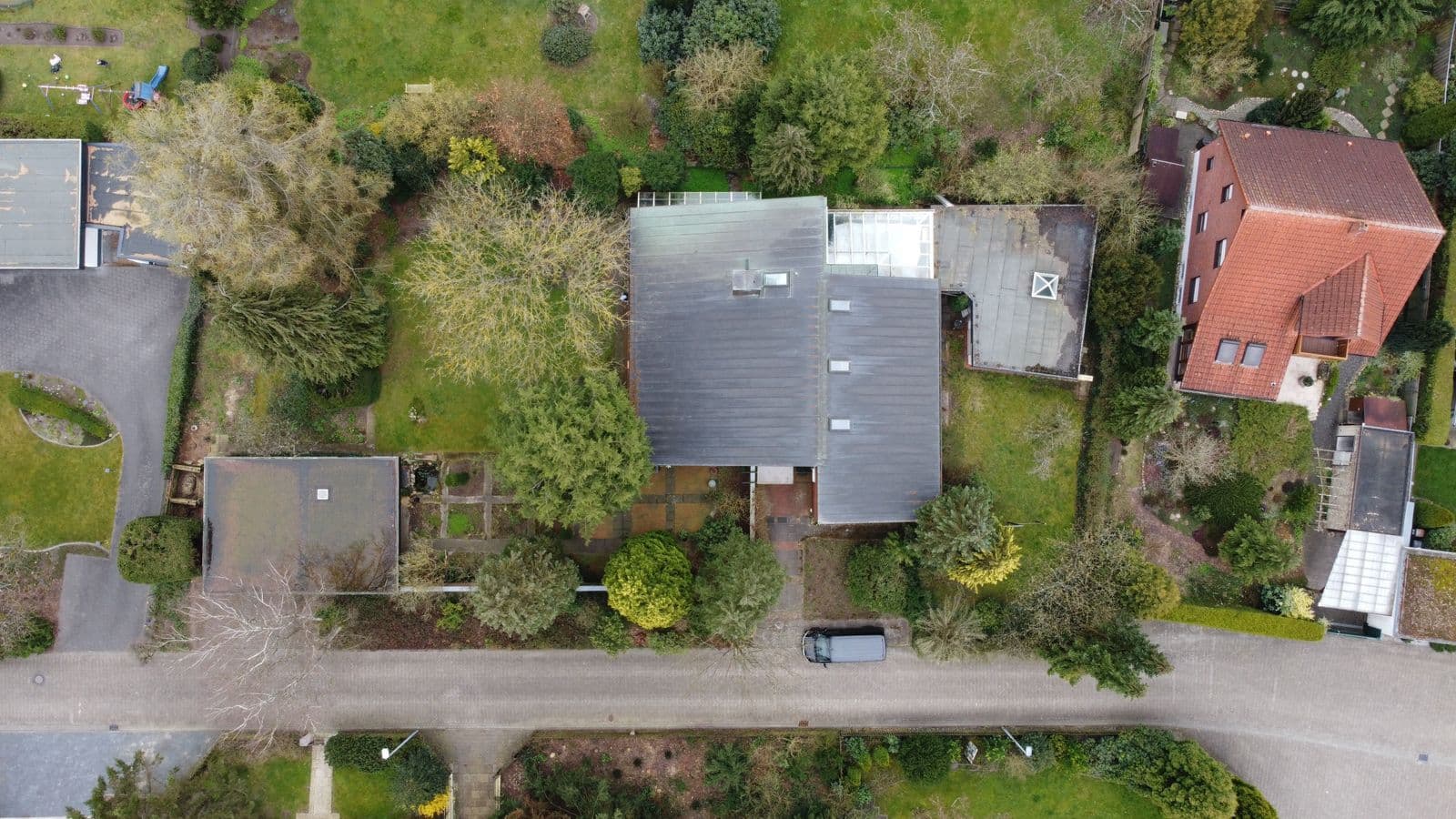
The reliable way to save on a roof is to reduce what the job includes, never the quality of what remains. Cheap quotes are usually cheap because they leave things out — and the omissions cost more to fix than the saving.
On a mid-range semi-detached re-roof of about £8,750, these ten tactics can realistically trim £1,500 – £3,000 without shortening the roof's life. First, see where the money goes — our new roof cost guide and calculator show the breakdown line by line.
1. Keep the scope like-for-like
A straight re-cover — same shape, similar covering, new felt and battens — is the cheapest version of the job. Converting to a hip, adding dormers or switching to a much heavier covering triggers structural work, engineering fees of £250 – £500 and a building regulations application on top. Only change the roof if the change pays for itself.
2. Choose the covering for laying speed, not just material price
Interlocking concrete tiles at £14 – £30 per m² lay two to three times faster than plain tiles or slate. On a 65 m² semi that is the difference between five and eight gang days — roughly £1,500 of labour — before you count the cheaper material. Fibre cement slate at £18 – £42 per m² gives the slate look at around half the natural slate cost. Our coverings comparison has the full trade-offs.
3. Bundle everything while the scaffold is up
Scaffolding is a fixed £650 – £2,800 cost regardless of what gets done. Fascias, soffits and guttering replaced during the re-roof run £1,400 – £3,400; booked separately later they cost that again because the scaffold is re-erected. Chimney repointing, roof windows and guttering all get cheaper once the access already exists.
4. Share scaffolding with neighbours
On terraces and semis the scaffold for your re-roof can often be extended to serve next door's roofline or gutters for a modest increase — split between households. Ask the scaffolder for a combined quote; on terraced streets this regularly saves £300 – £500 each.
5. Time the booking
Roofers' diaries empty in late autumn and winter, and quotes soften — the same job can price 5 – 10% lower. Trade that against slower progress in short daylight and wet weather. Spring and early autumn offer the best balance of availability, price and conditions.
6. Standard finishes only
Specialist glazes, handmade finishes and premium colourways add £20+ per m² to the material line — £1,300+ on a semi — for kerb appeal nobody examines at roof height. Standard branded profiles carry the same guarantees. Spend the money on membrane and battens instead.
7. Get like-for-like quotes — and actually compare them
Three itemised quotes against one written specification is the single biggest saver; spreads of £2,000+ on identical work are common. List every line — strip, felt, battens, covering, ridges, leadwork, scaffold, skip, VAT — so each roofer prices the same job. Use the calculator result as your reference.
8. Agree a repair day rate in advance
Rotten timber found during stripping is near-inevitable on older roofs — each rafter repair runs £150 – £400. Agreeing the rate before work starts means surprises are priced at the contract rate, not negotiated mid-job when you have no alternative supplier. Expect this to save £300 – £800 across a re-roof.
9. Use a CPS roofer to skip the building notice fee
Renovating 50% or more of a roof requires building regs compliance. A roofer in the NFRC Competent Person Scheme self-certifies and issues the compliance certificate — saving the £200 – £400 building notice fee and weeks of administration. Scheme members are audited, so it is also a genuine quality filter.
10. Pay by stage, never large deposits
Agree a schedule tied to completed stages — scaffold up, stripped, covered-in, finished — and hold back the final payment until snag-free completion. It costs nothing and keeps leverage on your side. Never pay more than 25% up front, and be wary of cash-only pricing.
Never economise on
- Breathable membrane and treated battens — under £15/m² fitted, but reusing old felt or skimping voids tile guarantees and shortens the roof's life
- Scaffolding — working off ladders on a re-roof is slower, dangerous and can invalidate insurance; see HSE work at height guidance
- Insurance and accreditation — an uninsured roofer makes you liable for damage or injury on the job
The pattern beneath all ten: cut the scope, timing and materials you do not need — keep every part of the spec that decides whether the roof still works in thirty years.
Related guides

How Much Does a New Roof Cost in the UK? (2026 Planning Guide)
A dated cost breakdown, clear replacement scope and practical steps to build a roofing budget from measurements, allowances, quotes and contingency.
Roofer Day Rates UK: Labour, Gang Rates and Scope
What roofers actually charge per day in 2026, what a gang day buys, and why a day rate alone is not a complete quote for a re-roof.
Concrete vs Clay vs Slate: Roof Covering Prices and Scope Explained
Compare covering prices per square metre without mixing supply-only and installed figures. Includes lifespan, weight and quote checklists.